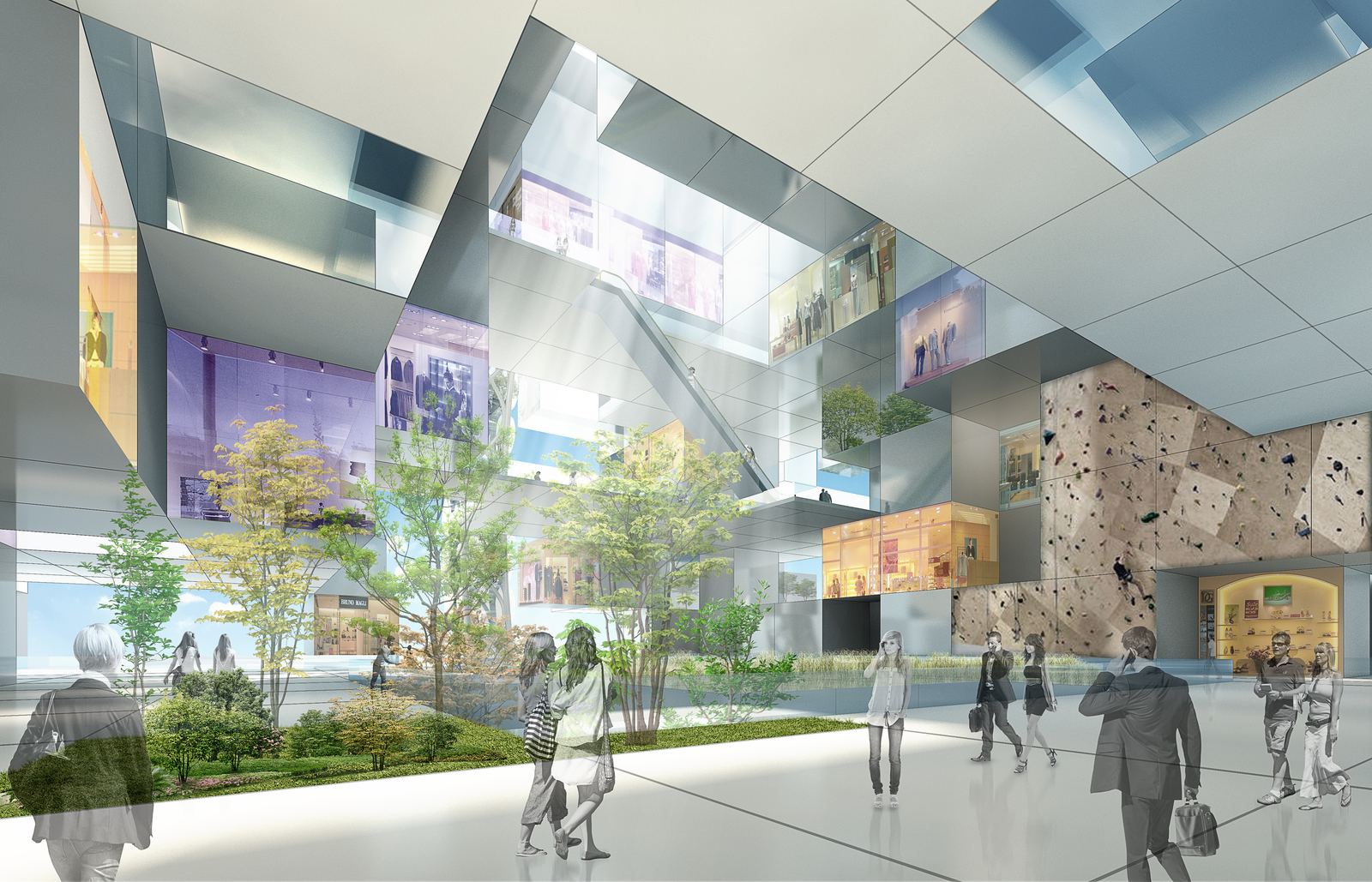
Purpose of Arrival
Six shifts shaping the future of retail centres in the age of AI and demographic change.
Georges Hung
When an algorithm + app can do the shopping, a retail centre has to earn its reason.
The retail centre was built around a simple exchange: people travelled to find, compare and buy. AI is taking over that errand. Yet physical retail is not disappearing—close to four in five purchases still happen in a physical place. When in-chat checkout launched in 2025, it was withdrawn within six months. People were happy to let AI research their purchases. They were far less willing to let it decide.
My argument: the future retail centre will not be a place for transactions. It will be a place people choose to go—for what a screen cannot give, for the needs of every week, and for the company of others. I call this the reason to go.
Why now
Four forces are converging on physical retail. None is new on its own. Together, they change what a retail centre is for.
- +693%
- AI-referred traffic to US retail sites over the 2025 holidays. Discovery has moved upstream—what AI cannot read, it will not recommend.
- > 50%
- of US consumer spending comes from households over 50, while 63% of Saudi nationals are under 30. The same format cannot serve both.
- 1 in 6
- people worldwide are affected by loneliness. Few places still offer free, safe, all-weather space to simply be together. The retail centre is one of them.
- 93 million
- cross-border trips by Hong Kong residents in 2024, up 48%. Shoppers travel for value and experience; centres now compete with the whole region.
What the mixed-use retail story gets wrong
The post-pandemic consensus held that mixed-use centres—shaped by Gen Z, digitally integrated, rich in experience—would replace the traditional mall. Much of that is right. Three assumptions inside it need testing.
- One generation is not a strategy. Gen Z is digitally fluent and enthusiastic about physical stores, but spending power sits with people over 50—healthier, more active and more digital than any older generation before. The real question is how to serve a teenager, a young family and an 80-year-old in the same visit, with the same dignity.
- Digital add-ons are not a digital strategy. Virtual fitting rooms treated technology as a feature inside the building. Today the decision to visit is made before leaving home, often by an AI summarising what is open, in stock and worth the trip. Strategy is less about screens on walls, more about accurate, machine-readable data.
- A mix of uses is not a place. Gyms, co-working and galleries under one roof can still feel like a mall. A tenant mix describes what is leased; a place is defined by what is shared—free public space, programming that brings people back, and management that treats visitors as citizens, not traffic.
The question is not which generation to design for. It is how to serve all of them in the same visit.
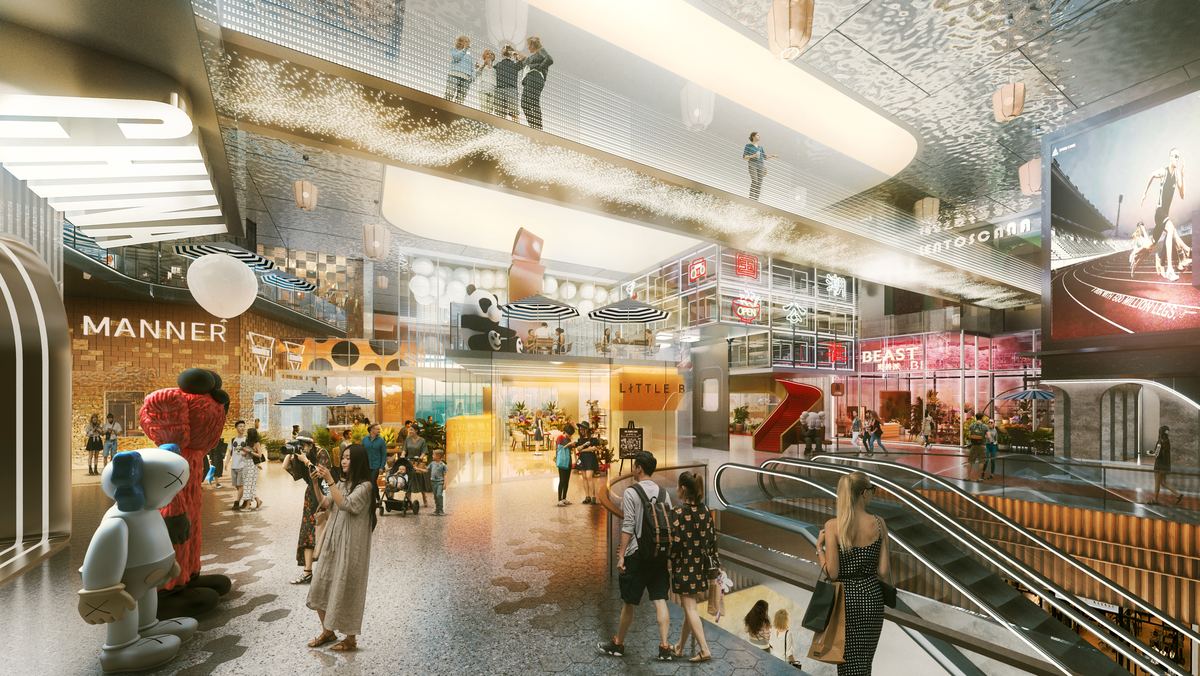
Experience, properly understood
Almost every new centre claims “experience”. In practice the word means a tenant category, a spectacle or a mood-board adjective—all designed for the first visit. Spectacle depreciates; once seen, often first on a phone, there is little reason to return. Pine and Gilmore’s original idea was more precise: goods are the props, services the stage, and what people value is the memory. Understood that way, experience can be designed in seven spatial qualities.
- ArrivalThe passage from car park, metro or street: threshold, compression and release, the first view.
- TimeThe rhythm of a day and a year—morning coffee, the school run, Ramadan nights. Design for the fiftieth visit, not the first.
- ParticipationTasting, trying, making, learning and repairing. Active verbs create memory.
- SensesDaylight, acoustics, temperature, texture and scent. Honest materials that age well are read as care.
- Other peopleEdges to sit on, places to linger without spending. What attracts people most is other people.
- EncounterThe tailor, the barista who knows your order, the specialist who gives advice—the part an algorithm cannot copy.
- IdentityLocal craft, food, story and climate. An experience that could exist anywhere gives no reason to come here.
Two questions replace the tagword: Would someone come back next Tuesday? Would they come without buying anything? Measure by repeat visits and dwell time, not by how often a place is photographed.
Retail itself shifts from purpose to ingredient—but the ingredient that binds the others. It moves from errand to choice, from inventory to theatre, and above all gives life to the ground floor: shops light the street after dark and put “eyes on the street”. The operator becomes an editor as well as a landlord. The centre survives; “retail” becomes its adjective.
Experience is not a feature added to a space. It is a quality of the whole sequence.
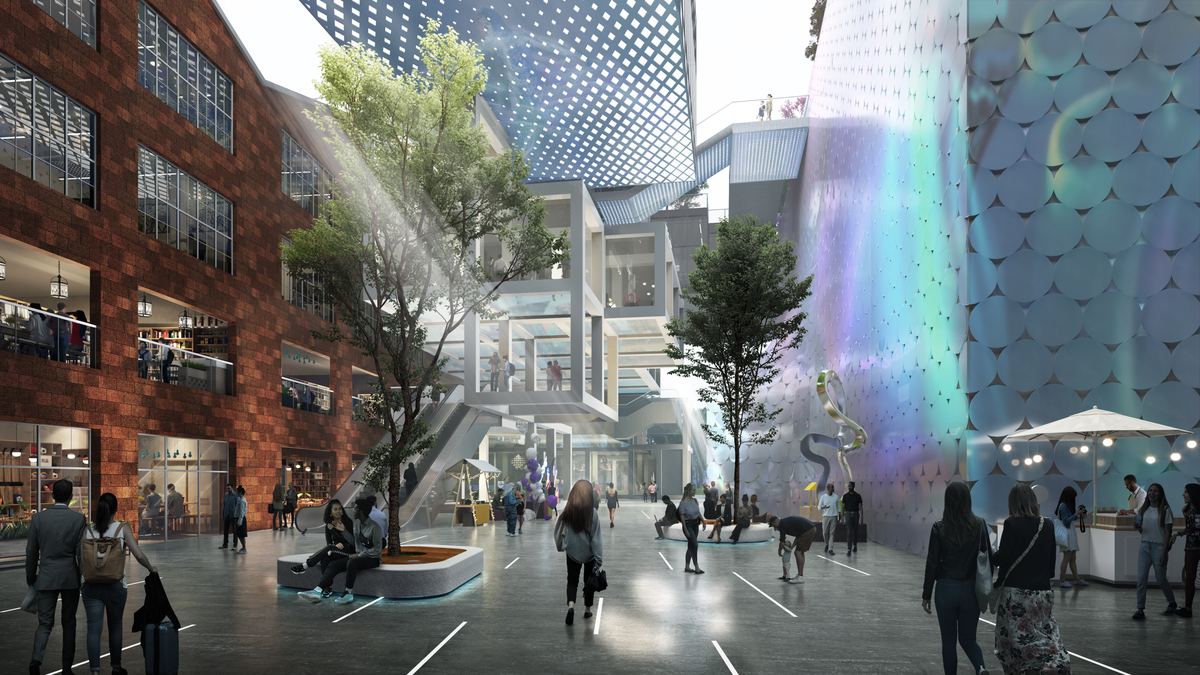
Defining the reason to go
A place of exchange that offers what cannot be delivered, meets the needs of every week, welcomes every generation without requiring a purchase, is legible to people and machines alike, and can adapt as demand changes. Five tests separate a destination from a distribution point.
- PresenceDoes the centre offer what only happens in person—trying, tasting, repair, advice, performance, meeting?
- EverydayAre there anchors—food, health, services, learning—that bring people back every week?
- BelongingIs there comfortable, free-to-use space where every age, from toddler to great-grandparent, is welcome to stay?
- LegibilityCan people find their way easily, and can AI tools read accurate, live information on what the centre offers?
- AdaptabilityCan space change use, size and tenure without major structural work as demand shifts?
Six shifts
- From transaction to reason. People use AI to narrow choices, then want to decide themselves. Stores become smaller showrooms with more room for demonstration, fitting, personalisation, repair and workshops; stock moves behind the wall. Frontages show activity, not inventory.
- From search engine to answer engine. Legibility now has two audiences: people, who need clear wayfinding, and machines, which need a live data layer of tenants, stock, services, events and access. Treat that data as infrastructure, and give collection, returns and last-mile logistics a place in the plan.
- From one generation to every generation. Design for the least able visitor and everyone benefits. AEON MALL runs walking programmes and dementia-awareness training across its malls. In young markets, families, teenagers and evening life shape the brief. Test the plan with the oldest and youngest visitors.
- From anchor store to everyday anchors. Grocery, clinics, fitness, childcare, libraries and government services create a weekly habit and fill the quiet hours. A clinic above a market and a learning centre beside a food hall make the centre part of the neighbourhood.
- From mall to public realm. With one in six people lonely, free-to-use space is a public-health asset. Open-air streets, squares and rooftop gardens that stay open after the shops close—and, in hot climates, designed for the evening, when life in the Gulf moves outdoors.
- From fixed GLA to adaptive asset. Demand changes faster than buildings. Long spans, generous floor heights and separable servicing let floors become homes, clinics, classrooms or logistics. Pop-ups and incubator units keep the offer fresh and reduce vacancy risk.
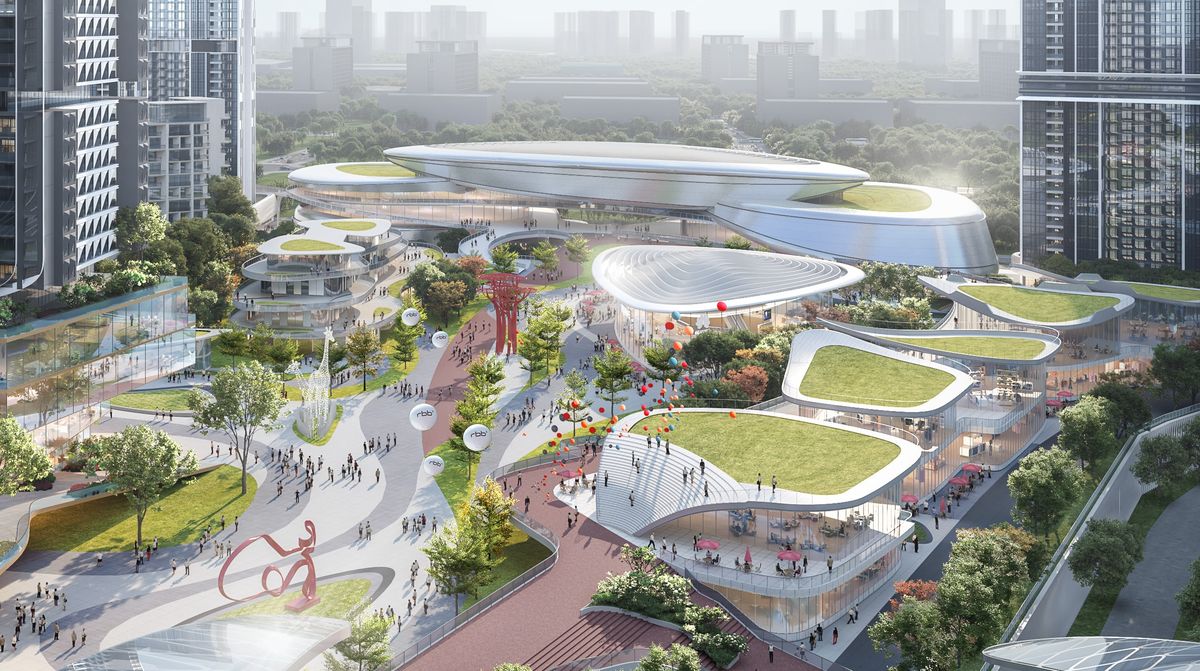
What this means
Owners & investors
- Value centres on repeat visits and dwell time, not footfall alone.
- Fund the data layer and the public realm as core assets.
- Underwrite adaptability—a convertible centre carries less stranding risk.
Retailers & brands
- Rebalance stores from inventory to service, advice and experience.
- Keep product, stock and store data accurate and readable by AI.
Cities & planners
- Treat centres as civic infrastructure; encourage health, learning and public services as anchors.
- Secure public access, hours and seating through planning agreements.
Design teams
- Design for the oldest and youngest visitor first.
- Plan for the climate’s best hours, including the evening.
- Specify structure and servicing for at least two future uses.
Worth the journey
For fifty years the retail centre was a machine for transactions. AI now finds the goods faster. What the algorithm cannot do is sit beside a friend, taste the food, ask the tailor, walk with a grandparent in the cool of the evening, or feel part of a crowd. Those are the reasons people will still go. The centres that thrive will be designed around them.
When an algorithm can run the errand, the centre has to give people a reason to go.